
Introduction
Schools are meant to be safe spaces where students can learn, grow, and develop their talents. However, incidents such as building collapses, unsafe facilities, or poorly maintained structures remind us of the importance of prioritizing safety in school environments. Ensuring that school buildings and surroundings are secure is essential to protecting students, teachers, and staff.
Why School Safety Matters
A safe school environment helps students focus on learning without fear of accidents or harm. When proper safety measures are in place, schools can prevent injuries, avoid emergencies, and create a more productive atmosphere for both teaching and learning.
School safety is not only the responsibility of administrators but also teachers, parents, and students who must all remain aware of potential risks.
Common Hazards in School Environments
1. Unsafe or Weak Building Structures
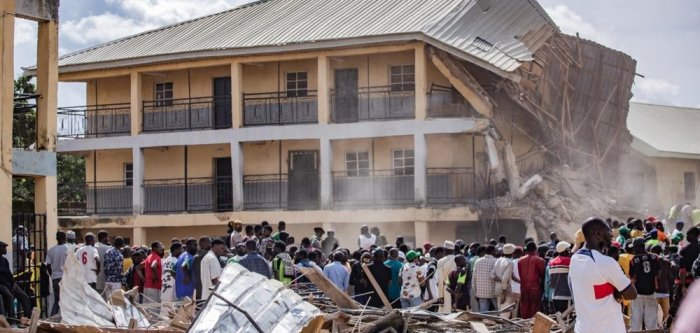
Poorly constructed or aging buildings can pose serious risks. Cracks in walls, weak foundations, and poorly maintained structures can lead to dangerous situations such as building collapses.
2. Electrical Hazards
Exposed wires, overloaded electrical outlets, and faulty electrical systems can cause shocks, fires, or other accidents in classrooms and laboratories.
3. Poorly Maintained Facilities
Broken desks, damaged stair railings, slippery floors, and faulty doors can cause injuries to students and staff if not repaired promptly.
4. Overcrowded Classrooms
Too many students in one classroom can increase the risk of accidents and make emergency evacuations more difficult.
5. Unsafe Playgrounds
Playgrounds with damaged equipment, sharp edges, or unstable structures can lead to injuries during recreational activities.

How Schools Can Improve Safety
Regular Building Inspections
School authorities should conduct frequent structural inspections to ensure that buildings remain safe and stable.
Proper Maintenance of Facilities
Damaged infrastructure should be repaired immediately to prevent accidents.
Emergency Preparedness
Schools should have clear emergency plans for situations such as fire outbreaks, building damage, or natural disasters.
Safety Awareness for Students and Staff
Students and teachers should be educated on basic safety practices and how to identify potential hazards.
Compliance with Building Standards
School buildings must meet approved construction and safety regulations to ensure they can safely accommodate students and staff.
The Role of Parents and the Community
Parents and community members also play an important role in promoting school safety. They should report unsafe conditions, support improvements in school facilities, and encourage authorities to maintain proper safety standards.
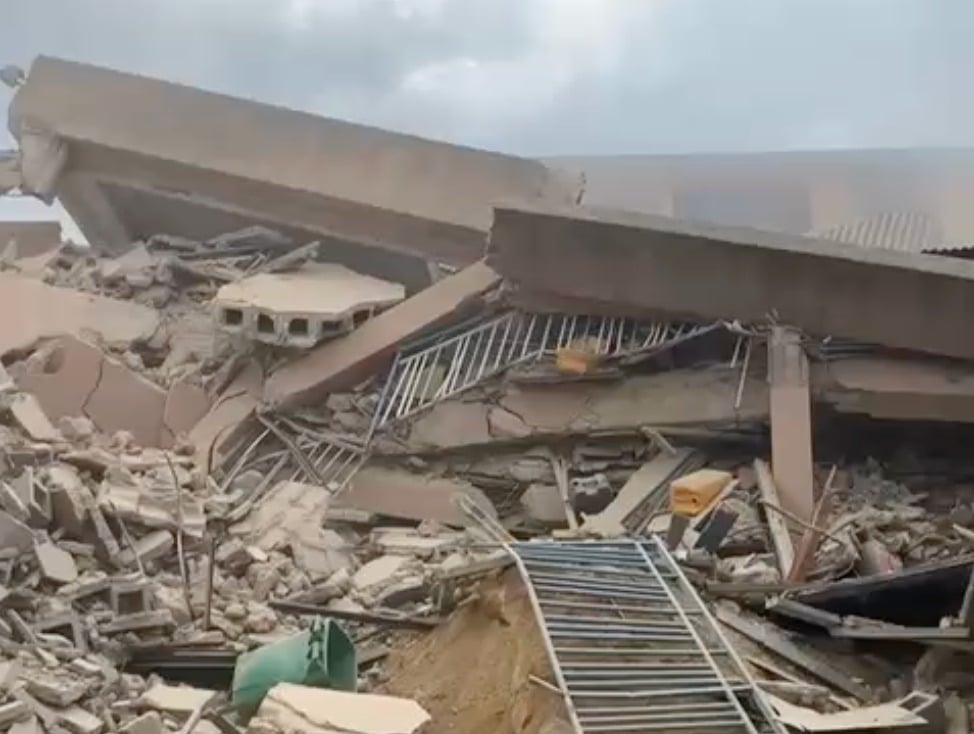
According to the Cable News” Students and teachers of a school in the Ogba area of Lagos narrowly escaped death on Monday after a four-storey building housing the institution collapsed minutes after they evacuated the structure.
The structure, which accommodated Yemco Nursery, Primary and Comprehensive College, gave way around midday at 11 Adudatu street, behind County Hospital in the Aguda axis of Ogba.
Witnesses said the building came down barely minutes after students and teachers were hurried out of the premises, preventing what residents described as a likely tragedy. “
Conclusion
A safe school environment is essential for effective learning and the well-being of everyone within the school community. By identifying potential hazards early and taking proactive safety measures, schools can prevent accidents and ensure that students remain protected while pursuing their education.



One Response
Another building collapse in Lagos? God abeg oh! School owners pay attention to solid structures and identifying hazards.
I’m glad there were no casualties.