
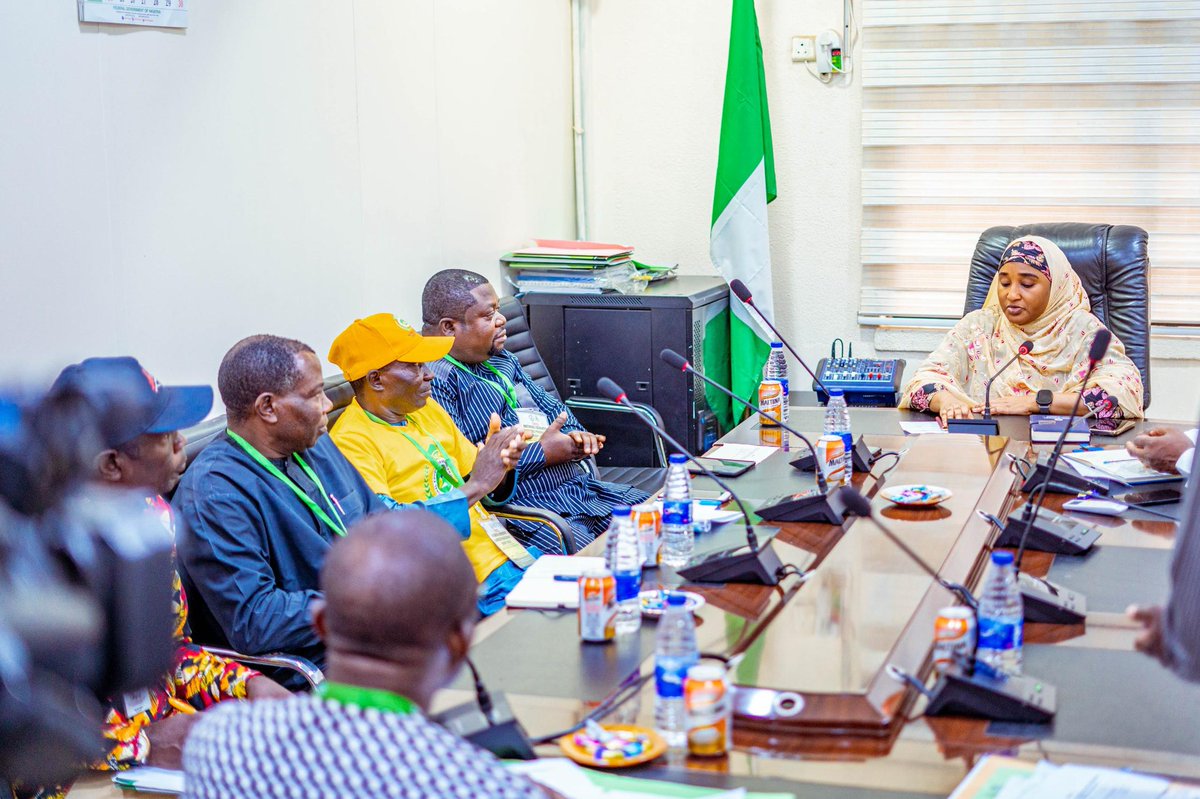
Nigeria’s Minister of Education, Maruf Tunji Alausa, and Minister of State for Education, Suwaiba Sa’id Ahmad, have announced a major review of the national curriculum.
The reform aims to reduce subject overload, promote skill development, and align Nigeria’s education system with global standards.
The decision followed consultations with key stakeholders, including Nigerian Educational Research and Development Council, West African Examinations Council, National Examinations Council, National Board for Technical Education, and National Business and Technical Examinations Board.
What are the key changes in the new curriculum?
The key changes in the new curriculum include a reduction in the number of subjects across all levels.
Pupils in Primary 1 to 3 will now take a minimum of 9 and a maximum of 10 subjects;
Primary 4 to 6 will study 11 to 13 subjects; Junior Secondary School (JSS 1-3) will take 12 to 14 subjects;
while Senior Secondary School (SSS) will retain 8 to 9 subjects, with a sharper focus on five core areas: Humanities, Sciences, Business, one trade subject, as well as the core and compulsory general courses.
The Nigerian Language subject has also been streamlined to only offer the following languages; Hausa, Igbo and Yoruba.
Nigeria’s education curriculum has been revised to introduce Citizenship and Heritage Studies at the senior secondary level by merging Nigerian History, Civic Education, and Social Studies. Nigerian History will also become compulsory from Primary 1 to JSS 3.
What are the Rebranded Trade Subjects?
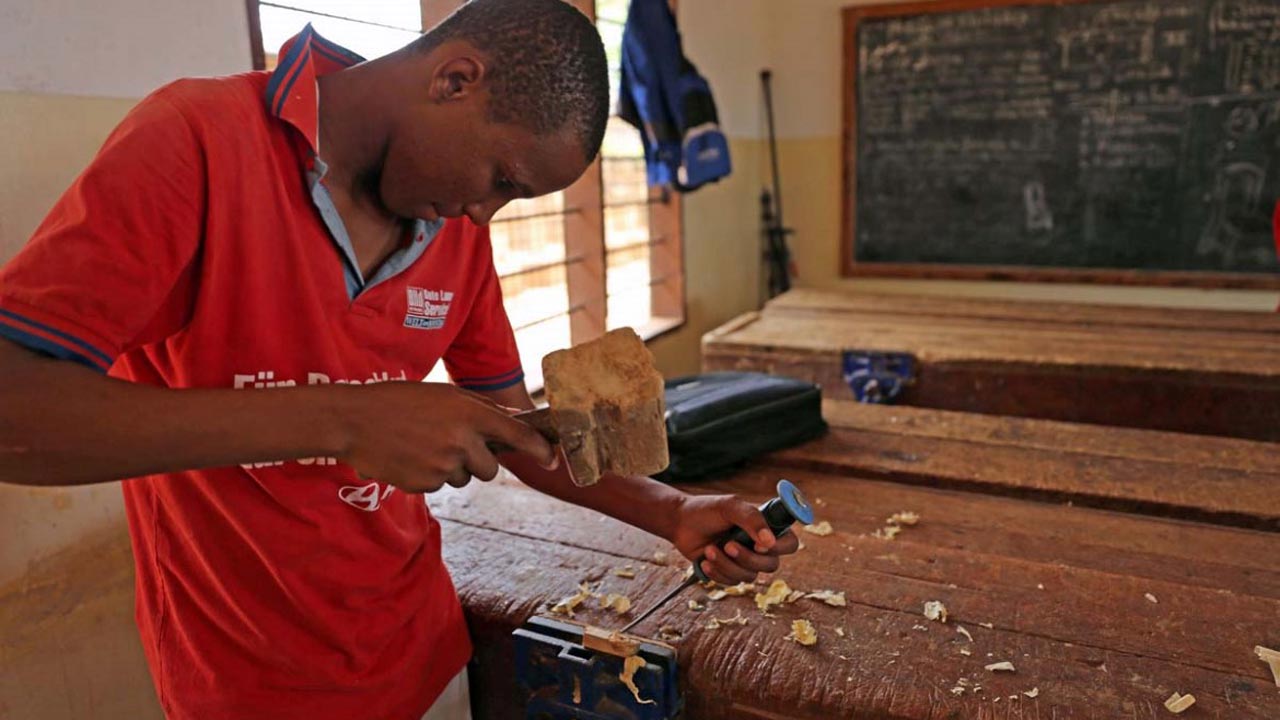
Trade subjects in non-technical schools have been reduced to six practical areas, including;
Solar PV Installation, Fashion Design, Livestock Farming, Beauty and Cosmetology, Computer Hardware and GSM Repairs, and Horticulture.
Meanwhile, National Business and Technical Examinations Board will oversee 28 updated trade subjects for technical colleges, while West African Examinations Council and National Examinations Council have aligned their subjects with the revised curriculum.
In Conclusion
Nigeria’s Minister of Education, Maruf Tunji Alausa, stated that the new curriculum—effective from the 2025/26 academic session—will reduce subject overload, help students learn more effectively, simplify teaching, and allow better use of government resources to build a skill-focused education system.
The reform reflects the Federal Government’s commitment to improving education quality and preparing students with skills needed for the global economy.
The Federal Ministry of Education also assured parents, teachers, and students of adequate support for a smooth transition to the revised curriculum.
Subject Breakdown
Primary 1-3 (Min. 9 Max. 10)
- English Language
- Mathematics
- Nigerian Languages: Hausa, Yoruba, Igbo (One Language only)
- Basic Science
- Physical & Health Education
- CRS (For Christian Pupils Only) and IS (For Muslim Pupils Only)
- Nigerian History
- Social & Citizenship Studies
- Cultural & Creative Arts (CCA)
- Arabic Language (Optional)
Primary 4-6 (Min. 9 Max. 10)
- English Language
- Mathematics
- Nigerian Languages: Hausa, Yoruba, Igbo (One Language only)
- Basic Science
- Physical & Health Education
- Basic Digital Literacy
- CRS (For Christian Pupils Only) and IS (For Muslim Pupils Only)
- Nigerian History
- Social & Citizenship Studies
- Cultural & Creative Arts (CCA)
- Pre-Vocational Studies
- French (Optional)
- Arabic Language (Optional)
Junior Secondary JSS 1-3 (Min. 12 Max. 14)
- English Language
- Mathematics
- Nigerian Languages: Hausa, Yoruba, Igbo (One Language only)
- Intermediate Science
- Physical & Health Education
- Digital Technologies
- CRS (For Christian Pupils Only) and IS (For Muslim Pupils Only)
- Nigerian History
- Social & Citizenship Studies
- Cultural & Creative Arts (CCA)
- Trade Subjects (Students to choose 1
subject)
i) Sola Photovoltaic installation and Maintenance
ii) Fashion Design and Garment Making
iii) Livestock Farming
iv) Beauty and Cosmetology
v) Computer Hardware and GSM repairs
vi) Horticulture and crop production - French (Optional)
- Arabic Language (Optional)
Senior Secondary 1-3 (Min. 8 Max. 13)
Core Subjects:
- English Language
- Mathematics
- Social & Citizenship Studies
- Digital Technologies
- One Trade Subject
Science
- Nigerian Languages: Hausa, Yoruba, Igbo (One Language only)
- Basic Science
- Physical & Health Education
- Digital Technologies
- CRS (For Christian Pupils Only) and IS (For Muslim Pupils Only)
- Nigerian History
Humanities
- Cultural & Creative Arts (CCA)
- Pre-Vocational Studies
- French (Optional)
- Arabic Language (Optional)
Business
- Cultural & Creative Arts (CCA)
- Pre-Vocational Studies
- French (Optional)
- Arabic Language (Optional)



One Response
Great presentation. I believe the NERDC has done an excellent job in streamlining the number of subjects offered in schools. This approach allows students to focus better and develop practical skills that will be truly useful to them in the future.